

5 Screen-Free Habits That Build Smart Kids (Without Feeling Like Homework)

In a world ruled by screens, parents everywhere are struggling with the same questions: “How much is too much?” and “What can I offer instead?” The good news? There are meaningful alternatives that don’t involve nagging, bribing, or taking away devices. The even better news? Your kids might actually enjoy them.
At Inspiration Box, we believe that screen-free doesn’t have to mean fun-free. In fact, some of the best habits that build thinking, creativity, and connection happen far away from screens. Here are five simple, powerful, and fun screen-free habits that can help your child grow smarter, more focused, and more curious — without making it feel like extra homework.
1. Game Breaks, Not Just Playtime
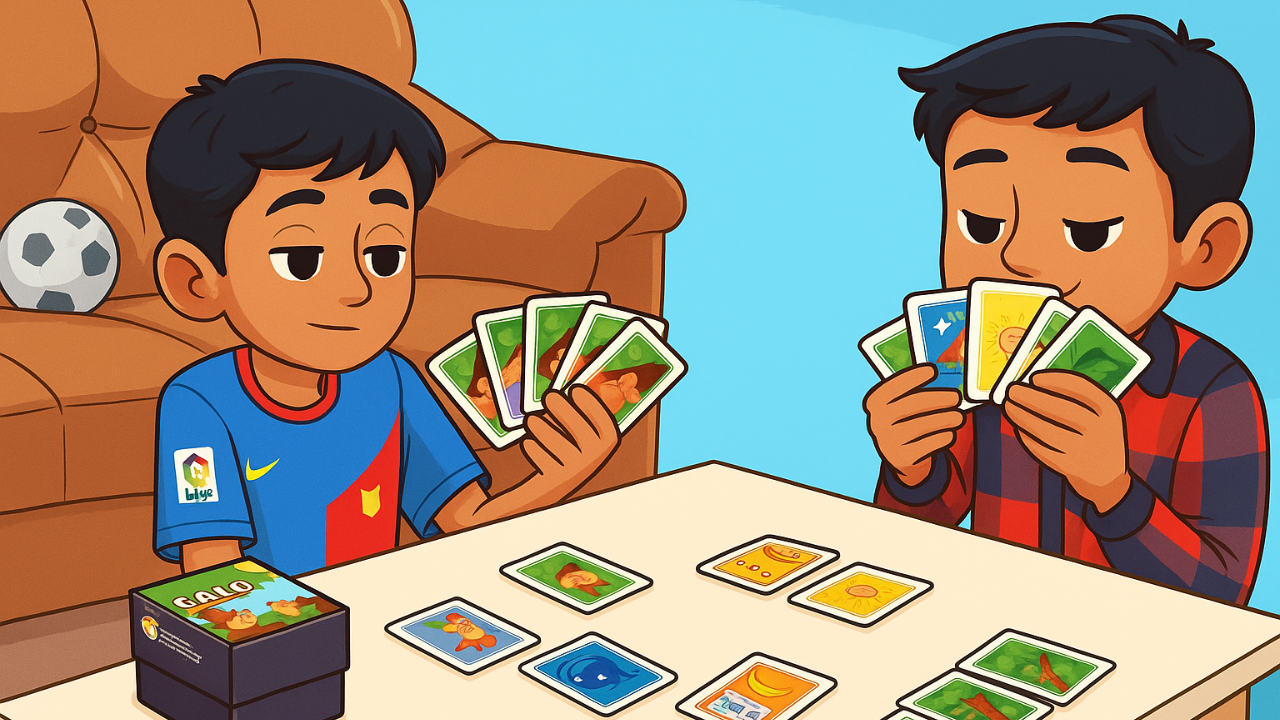
Instead of mindless “playtime” or random distractions, introduce structured game breaks. This could be a quick 20-minute round of a thinking game like GALO, which sharpens memory, logic, and decision-making while still keeping the energy high. The goal? A short reset for the brain, not endless scrolling or background cartoons.
Why it works: Kids love games. And when the game is fun and exercises their brain, it becomes a habit they look forward to. Unlike worksheets or timed exercises, games feel like rewards — even when they’re full of challenges.
Bonus tip: Keep the game visible and accessible. The more they see it, the more likely they are to grab it during downtime.
2. Curiosity Corners at Home
You don’t need a fancy room or Pinterest-level setup. A small corner with puzzles, creative cards, sketchbooks, and rotating brain-teasers can do wonders. Label it the “Curiosity Corner” or give it a fun name your child chooses. Rotate items weekly to keep it fresh.
Why it works: Kids are naturally drawn to novelty and discovery. Giving them a small, dedicated space tells them: “This is a place where thinking is fun.”
Pair it with quiet background music or soft lighting, and suddenly you have a mini sanctuary for imagination.
3. Dinner Table Brain Boosters
Turn dinner into a daily micro-challenge zone. Ask riddles. Start a logic puzzle. Play a memory game with ingredients. You could even play a mini round of GALO before or after dinner. The goal isn’t to teach — it’s to engage.
Why it works: Associating family meals with interactive thinking helps shift away from screens at the table. It strengthens bonds and builds conversation-based skills like listening, reasoning, and explaining ideas.
Pro tip: Rotate who gets to lead the game or question each night. Let kids be the quizmaster!
4. Challenge-of-the-Week
Each week, introduce one simple brain challenge. It could be: “Remember 5 new things from your day,” “Solve this riddle by Friday,” or “Create your own card for GALO that follows these rules.”
Why it works: Kids love structure when it’s playful. A weekly challenge keeps them curious and goal-oriented. It also builds discipline without pressure.
Turn it into a family scoreboard or just a shared journal. Celebrate progress, not perfection.
5. Scheduled Boredom (Yes, Really)
This might sound strange, but scheduling unstructured time is incredibly powerful. Instead of filling every free moment with activity, give your child 15–30 minutes where they have no devices, no tasks, and no agenda. Boredom often leads to creativity.
Why it works: When kids get bored, their brain looks for engagement. That’s when they’ll start building, imagining, sketching, or even inventing their own games.
Keep options like GALO, blank paper, or storytelling dice nearby — and watch what unfolds.
The Takeaway: Replace, Don’t Restrict
It’s tempting to fight screens with rules and restrictions. But the more powerful approach is to replace passive habits with active, engaging ones that kids naturally enjoy.
At Inspiration Box, we’re passionate about giving families better ways to play, think, and grow. GALO isn’t just a game; it’s a spark. And when it becomes part of these small, everyday habits, the effects last far beyond the table.
So start small. Try one of these this week. And don’t be surprised if your child asks for more screen-free time, not less.
Because when thinking feels like play, they keep coming back for more.